

ONE TECHNOLOGY.
THE FULL ARC
OF AMERICAN URANIUM.
REMEDIATION AND RECOVERY
RESTORING LEGACY SITES. RECOVERING STRATEGIC MATERIALS.
Abandoned Uranium Mine (AUM) waste is both an environmental liability and a strategic opportunity. DISA Uranium’s HPSA® technology delivers a field-deployable, mechanical solution that reduces contamination while recovering uranium already mined and above ground.
Reduce contamination and remediate legacy waste
Strengthen American energy security without new ground disturbance
Recover usable domestic feedstock
Unlike chemical-intensive approaches, HPSA relies on selective mechanical liberation and non-toxic chemicals — sharply reducing leachability while preserving recoverable value. Remediation and strategic material recovery happen at the same time, in the same step.
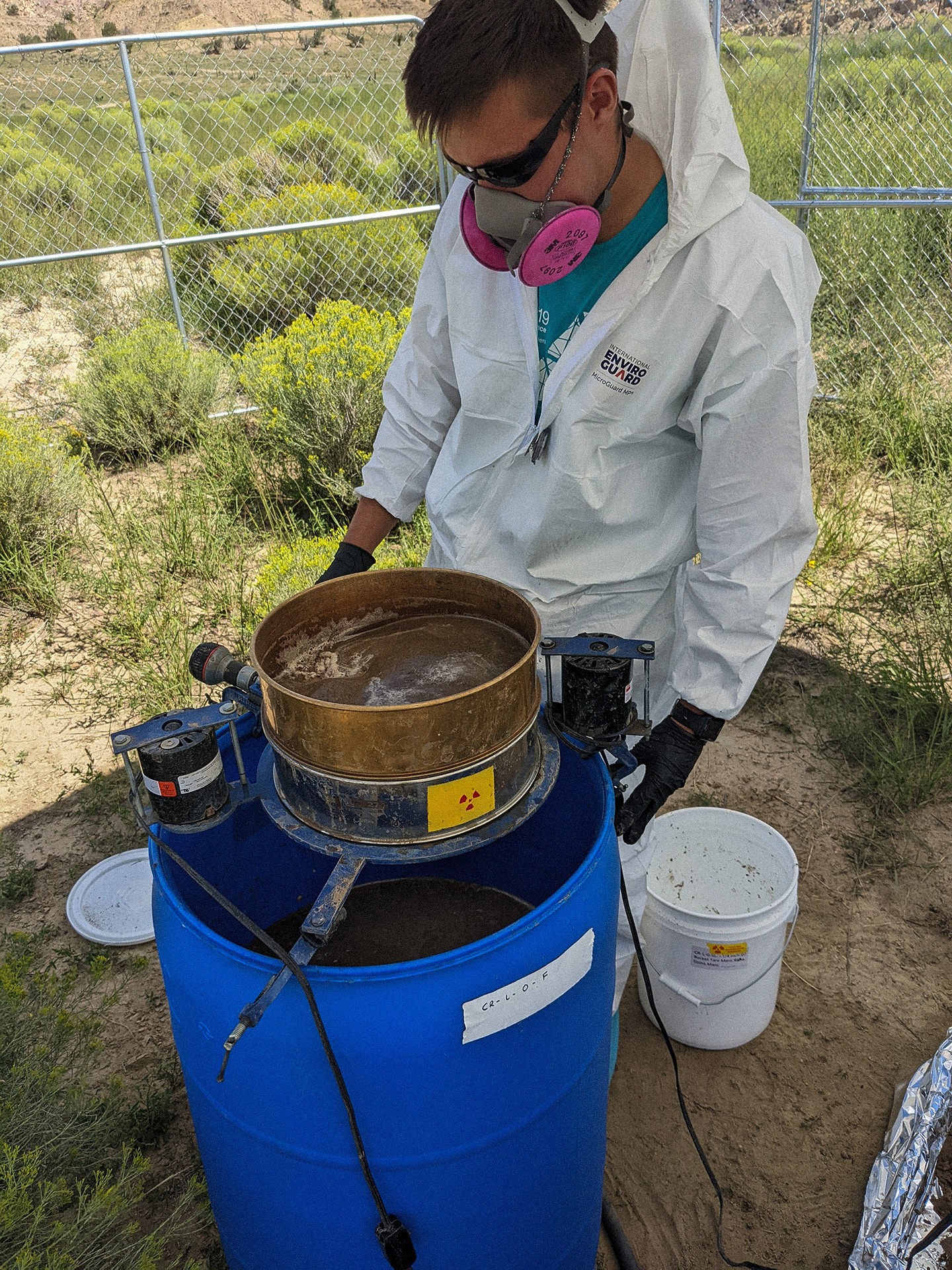
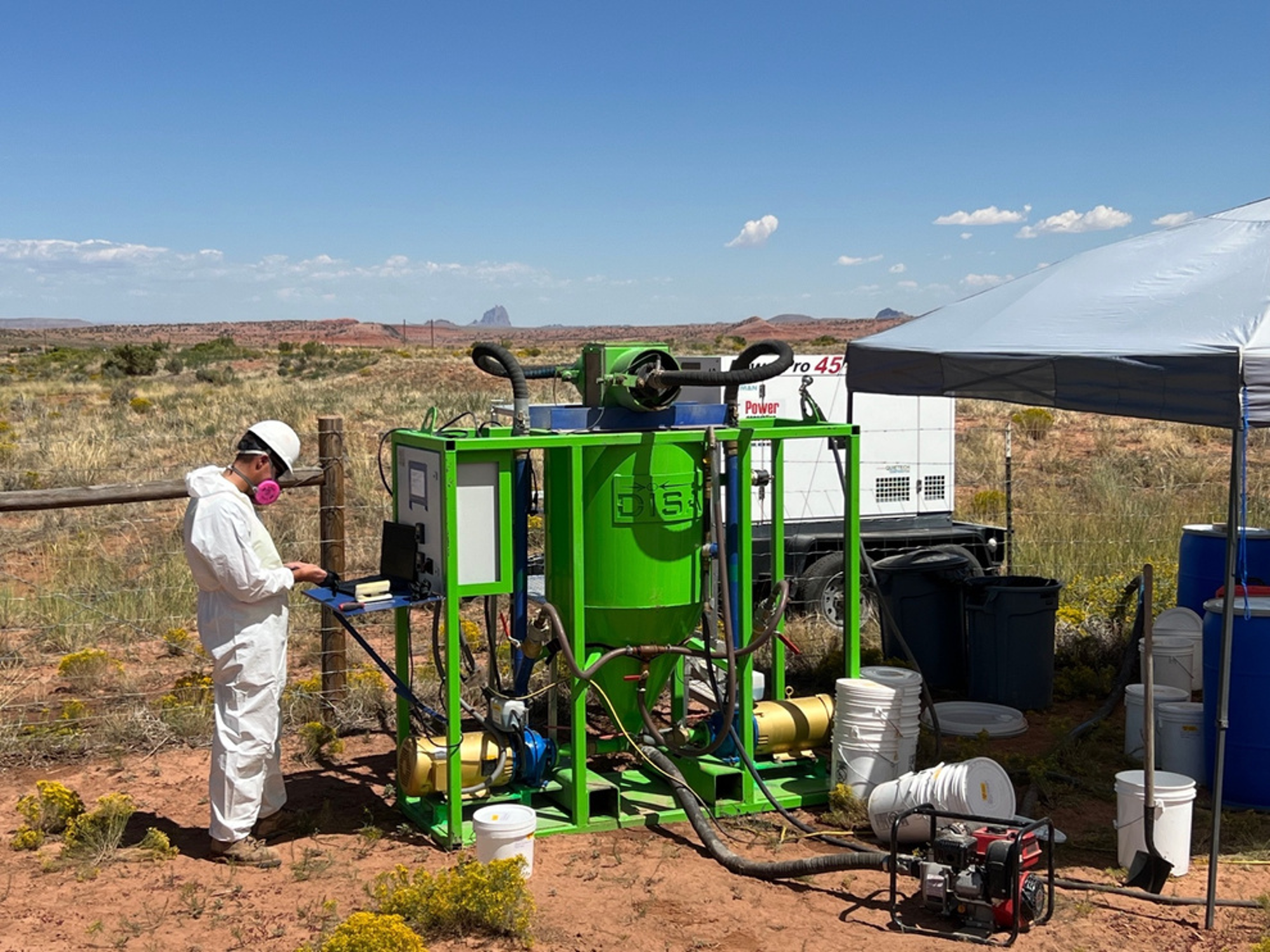
EPA TREATABILITY STUDY
IIn partnership with the U.S. Environmental Protection Agency (EPA), DISA® Technologies conducted a treatability study on uranium-bearing waste material from the Navajo Nation.
Results demonstrated:
— Up to 98% reduction in contamination
— Elimination of leachability in treated materials
— Mechanical liberation of uranium-bearing fractions from waste streams
These results validated HPSA technology’s ability to materially reduce environmental risk while recovering uranium already mined and above ground.
FEDERAL LICENSING & REGULATORY VALIDATION
In September 2025, DISA® Technologies secured a landmark U.S. Nuclear Regulatory Commission (NRC) license — the first and only license of its kind — establishing a federally approved pathway to remediate legacy uranium waste and recover uranium for domestic use.
The NRC’s Environmental Assessment concluded with a Finding of No Significant Impact (FONSI), clearing the pathway for licensed recovery under federal oversight.
The license establishes a formal regulatory framework for projects that:
— Reduce contamination at legacy uranium sites
— Recover uranium suitable for reintroduction into the domestic fuel cycle
PERFORMANCE
VALIDATED REMEDIATION & RESOURCE RECOVERY PERFORMANCE
Results derived from a U.S. EPA treatability study and independent verification by Idaho National Laboratory (INL).
Uranium Reduction
Up to 98% reduction in uranium concentrations. Significant removal of uranium from coarse material fractions.
Uranium Reduction
Up to 98% reduction in uranium concentrations.
Significant removal of uranium from coarse material fractions.
Radium-226 Reduction
Up to 94% reduction in Ra-226 concentrations, lowering the radiological risk profile of treated material.
Radium-226 Reduction
Up to 94% reduction in Ra-226 concentrations.
Reduced radiological risk profile in treated material
Volume Reduction
More than 80% reduction in material requiring offsite disposal. The majority of treated coarse material stays onsite.
Volume Reduction
More than 80% reduction in material requiring offsite disposal.
The majority of treated coarse material stays onsite.
Lower Cost
Substantially lower cost than hauling and disposing of material offsite – reducing transportation, handling, and disposal burden.
Lower Cost
Substantially lower cost than hauling and disposing of material offsite.
Reducing transportation, handling, and disposal burden.
Recovery Built In
Separates uranium-bearing material into a recoverable fraction during remediation, supporting domestic fuel supply while reducing environmental footprint.
NAVAJO NATION
REMEDIATION IN PARTNERSHIP.
VERIFICATION AT SCALE.
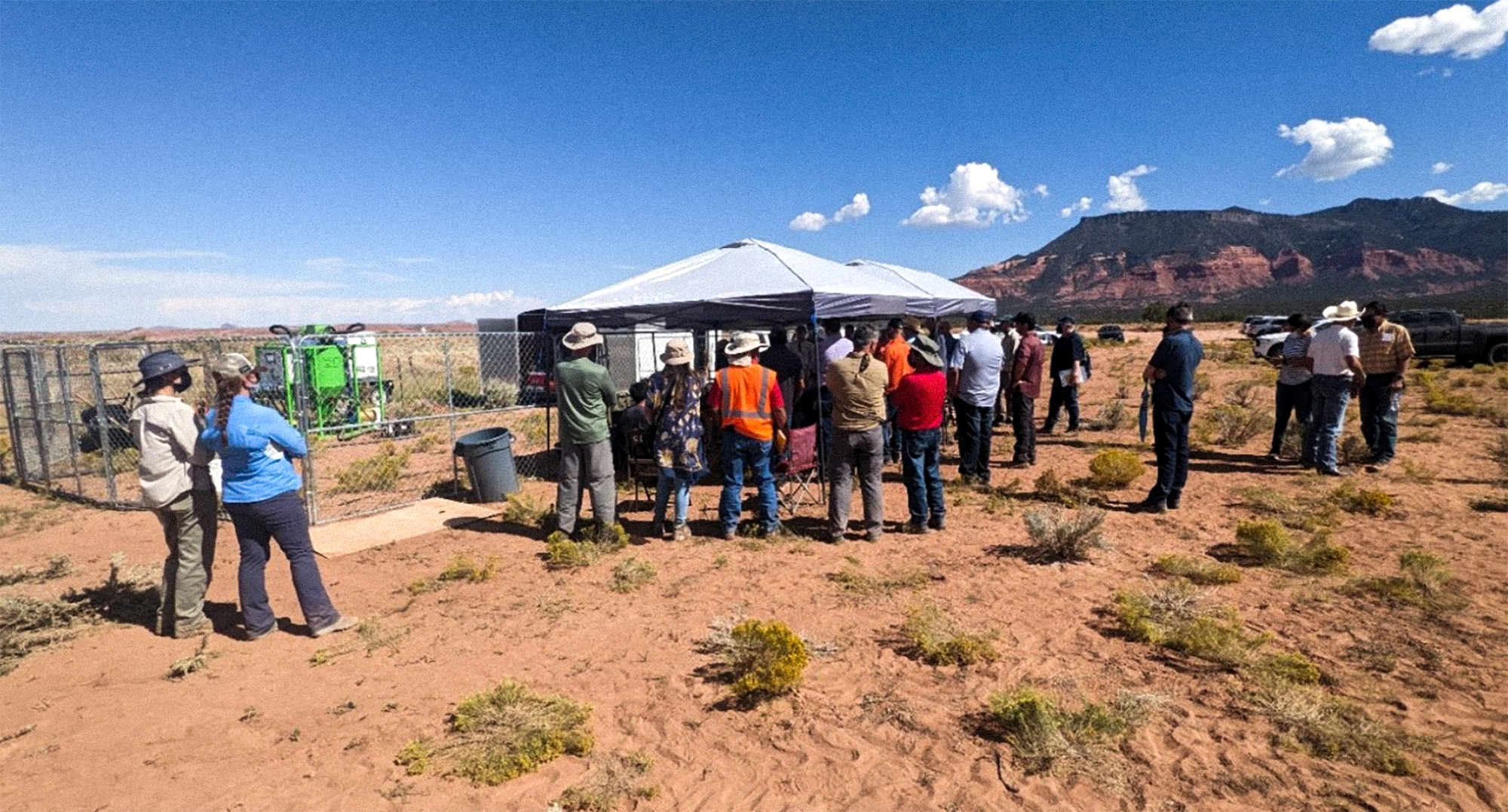
DISA Uranium has worked in collaboration with the Navajo Nation and the Navajo Nation EPA to advance a measurable, field-deployable remediation pathway. From EPA-supervised treatability testing to commercial-scale verification, this work has been guided by transparency and local decision-making.
Phase II Commercial-Scale Verification
Building on Phase I results, DISA Uranium is preparing a Phase II Commercial-Scale Verification Study to:
— Demonstrate commercial-scale capability
— Validate continuous, real-world operation
— Confirm environmental performance at scale
— Sharply reduce leachability and waste volume
— Reduce long-term risk at legacy sites
THE SCOPE OF THE CHALLENGE
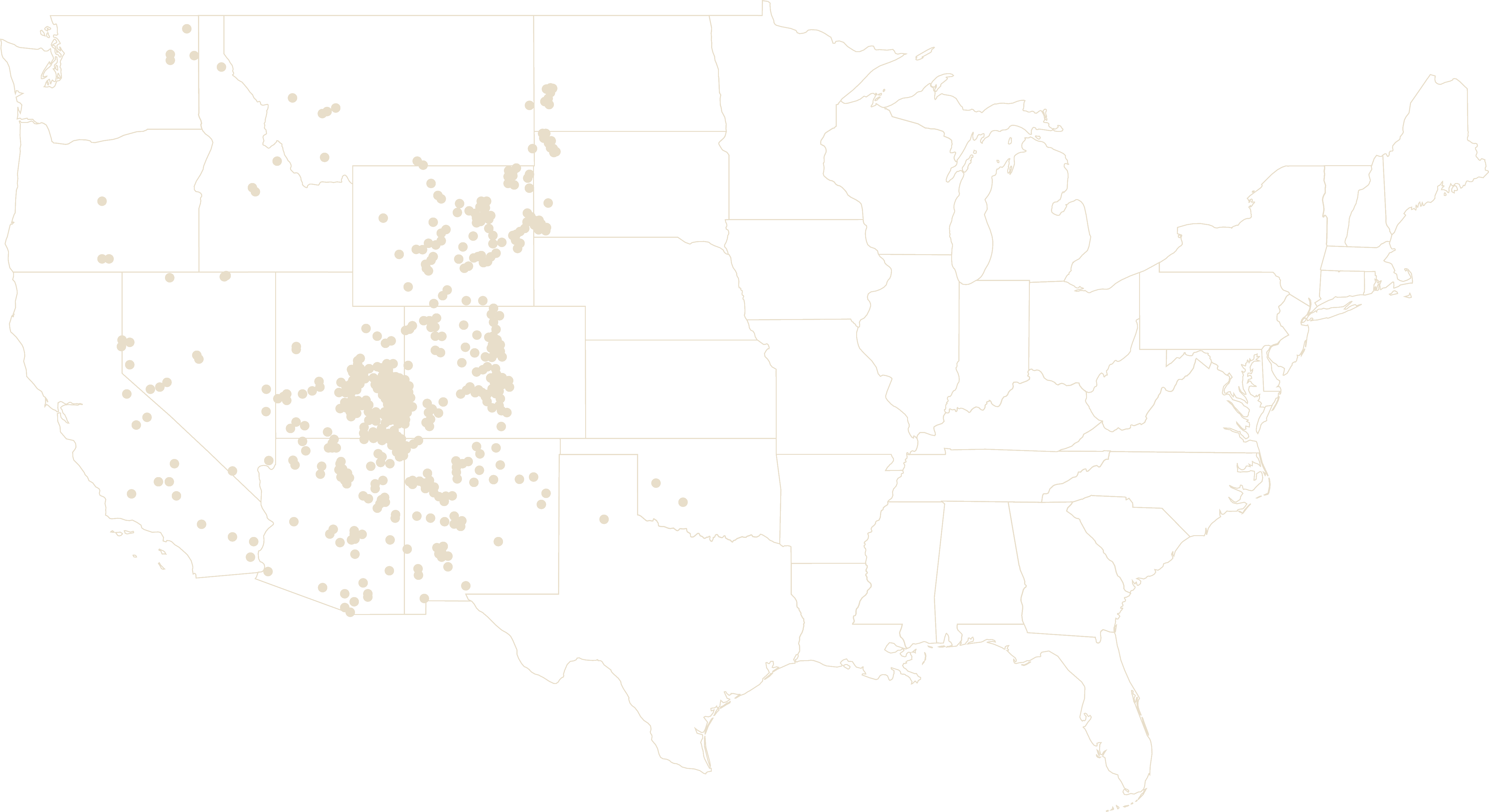
Thousands of legacy uranium sites remain across the western United States, most on federal and tribal lands. HPSA technology is designed to deploy at scale — bringing a repeatable mechanical solution to waste sites across federal, tribal, and state lands.
CONVENTIONAL PRODUCTION
MORE URANIUM FROM THE SAME RESOURCE BASE.
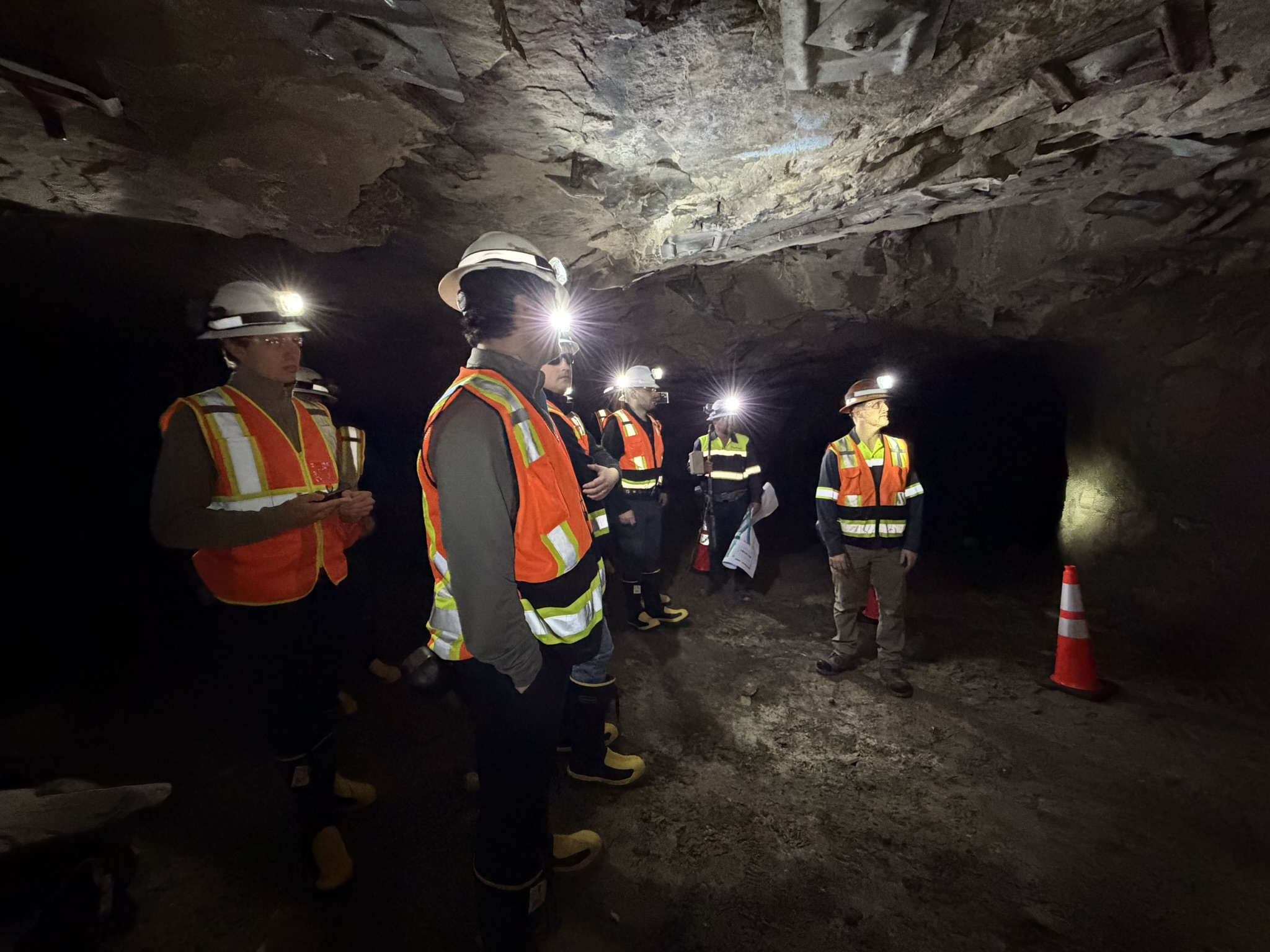
DISA Uranium holds a growing base of permitted, past-producing conventional mines across the West — deposits with existing infrastructure and near-term restart potential.
Applied to conventional operations, HPSA is designed to concentrate uranium-bearing material at the mine site, upgrading feed quality before anything moves. Less tonnage hauled, less material milled, a smaller operational footprint at every step — and deposits long written off as too low grade brought back into the conversation.
DOMESTIC PROCESSING
THE MISSING LINK.
DISA Uranium is developing new domestic uranium recovery and processing capacity — what would be the first such conventional uranium facility built in the United States in more than four decades. Recovered legacy material and conventionally mined ore, converted to finished product on American soil. The project is in the design phase, with site evaluation underway.