ONE PLATFORM,
MANY SOLUTIONS.
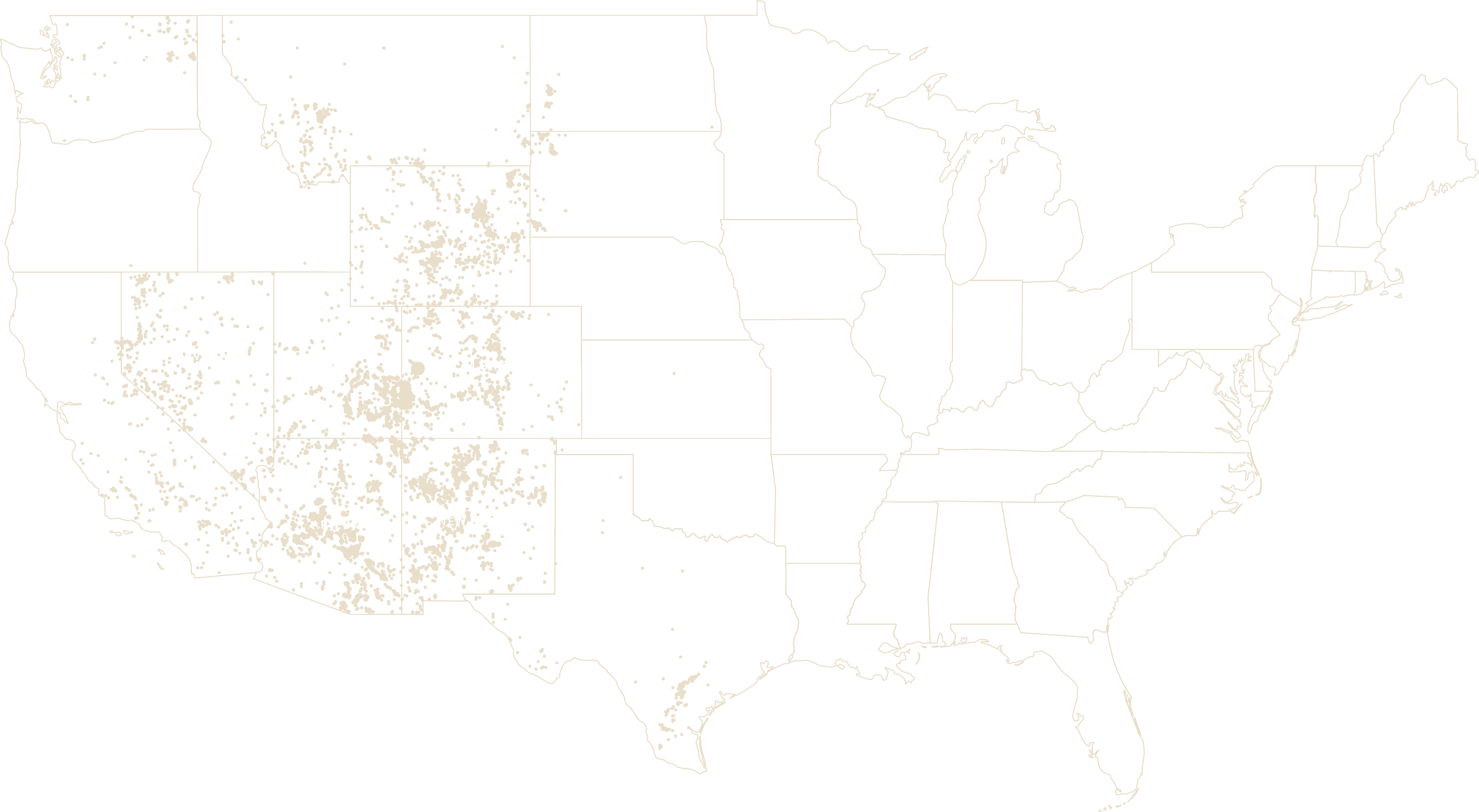
Thousands of Abandoned Uranium Mine (AUM) sites remain across the American West, many on federal and tribal lands, where uranium-bearing material still sits on the surface decades after production ended. Conventional approaches haul that material away or cap it in place — containing risk without reducing it, and leaving recoverable uranium and vanadium in the waste.
The same platform is designed for conventional deposits, where low-grade material that cannot justify the trip to a distant mill can be concentrated on site instead.
At legacy sites, HPSA technology enables a different approach:




At legacy sites, HPSA technology enables a different approach:
HOW IT WORKS
ENGINEERED FOR
REMEDIATION,
RECOVERY,
AND PRODUCTION
HPSA technology uses controlled, mechanical particle-to-particle collisions to separate uranium-bearing material from waste rock — no grinding media, no toxic chemicals.
1. Onsite Deployment and Material Conditioning
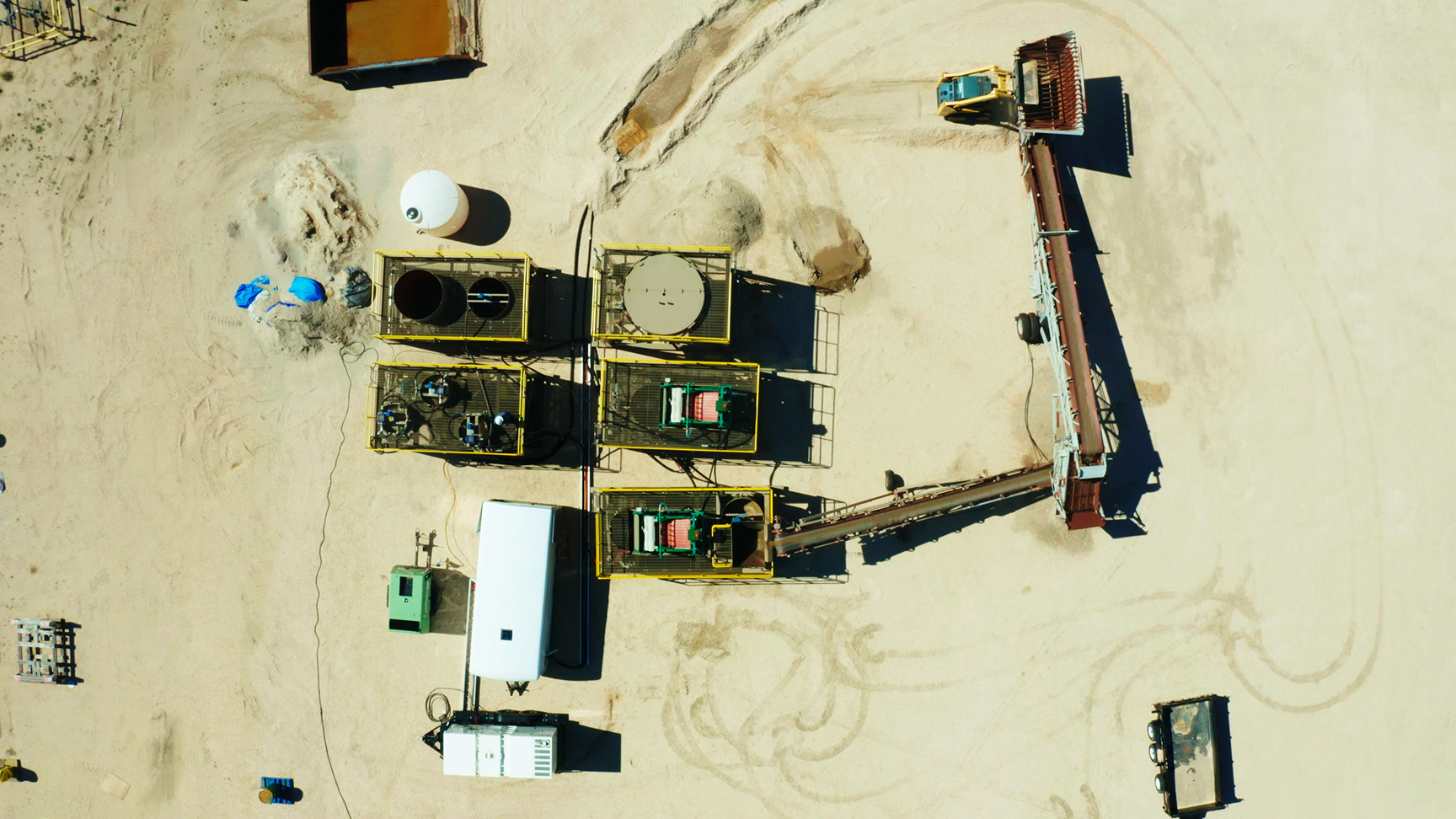
HPSA units are deployed directly at or near the site. Material is mixed with recycled water to create a controlled slurry stream, minimizing large-scale hauling while preparing it for selective separation inside the HPSA chamber.
2. High-Pressure Mechanical Separation
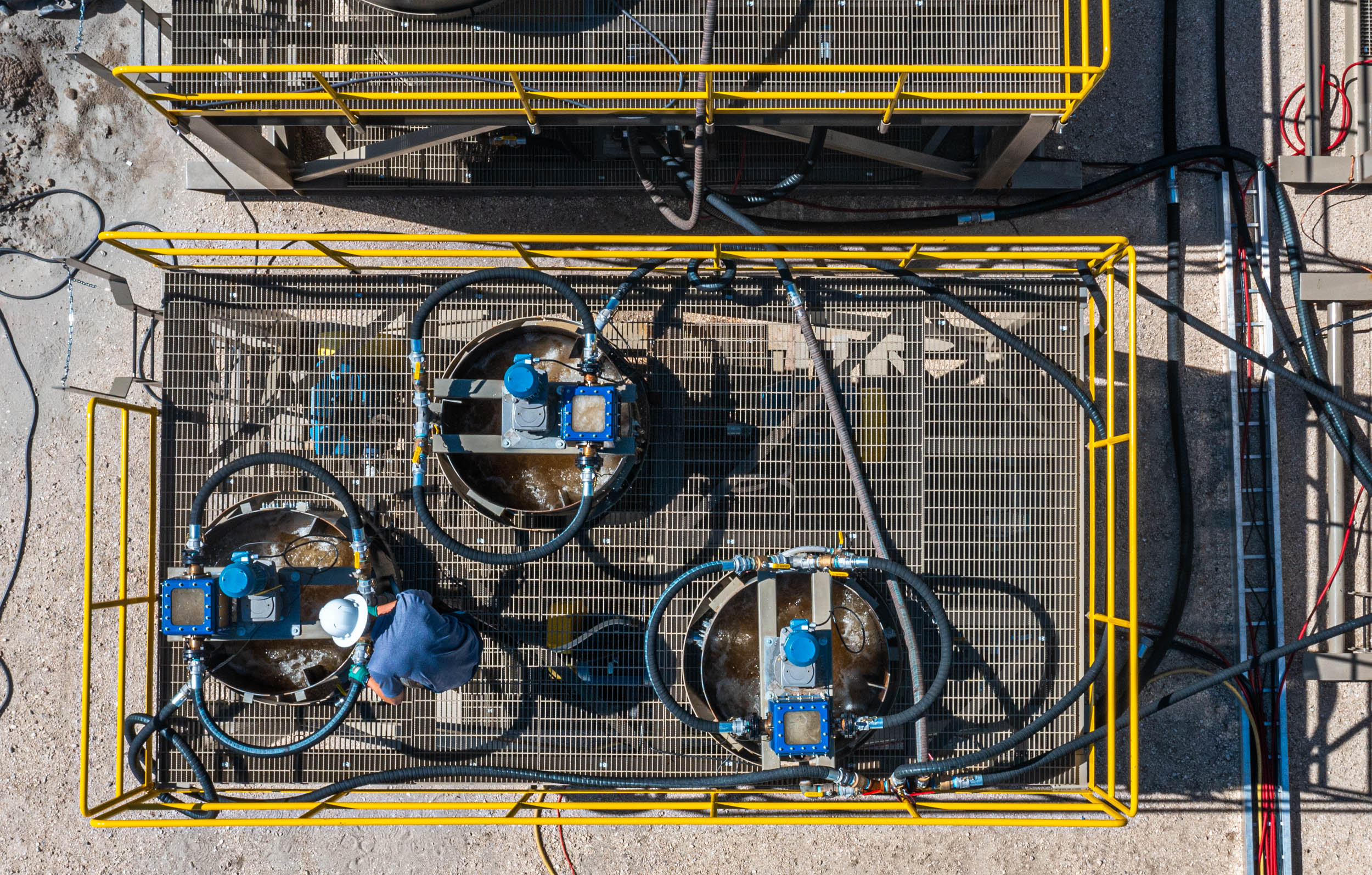
Opposing slurry jets generate particle-to-particle collisions inside the collision chamber. Mechanical energy fractures uranium-bearing coatings and separates uranium from coarse host material along hardness contrasts and natural grain boundaries.
3. Concentration and Site Remediation
Uranium- and vanadium-bearing fines are concentrated into a significantly reduced volume for recovery. At legacy sites, cleaned coarse material is returned to the ground onsite, reducing the disposal footprint and the volume requiring long-term containment. Applied to conventional deposits, the same step is designed to deliver a concentrated product without trucking low-grade tonnage to a distant mill.
100% Mechanical Process
Operates without grinding media or toxic chemical reagents, using controlled high-pressure slurry collisions to separate uranium and associated contaminants.
Selective Separation at Coarser Sizes
Removes uranium-bearing coatings without fully size-reducing all material, preserving clean coarse fractions for return to the site.
Hardness-Driven Breakage
Targets separation based on Mohs hardness contrasts and natural grain boundaries rather than brute-force size reduction.
Significant Volume Reduction
Concentrates contaminated fines into a smaller fraction, reducing material requiring offsite transport or long-term containment.
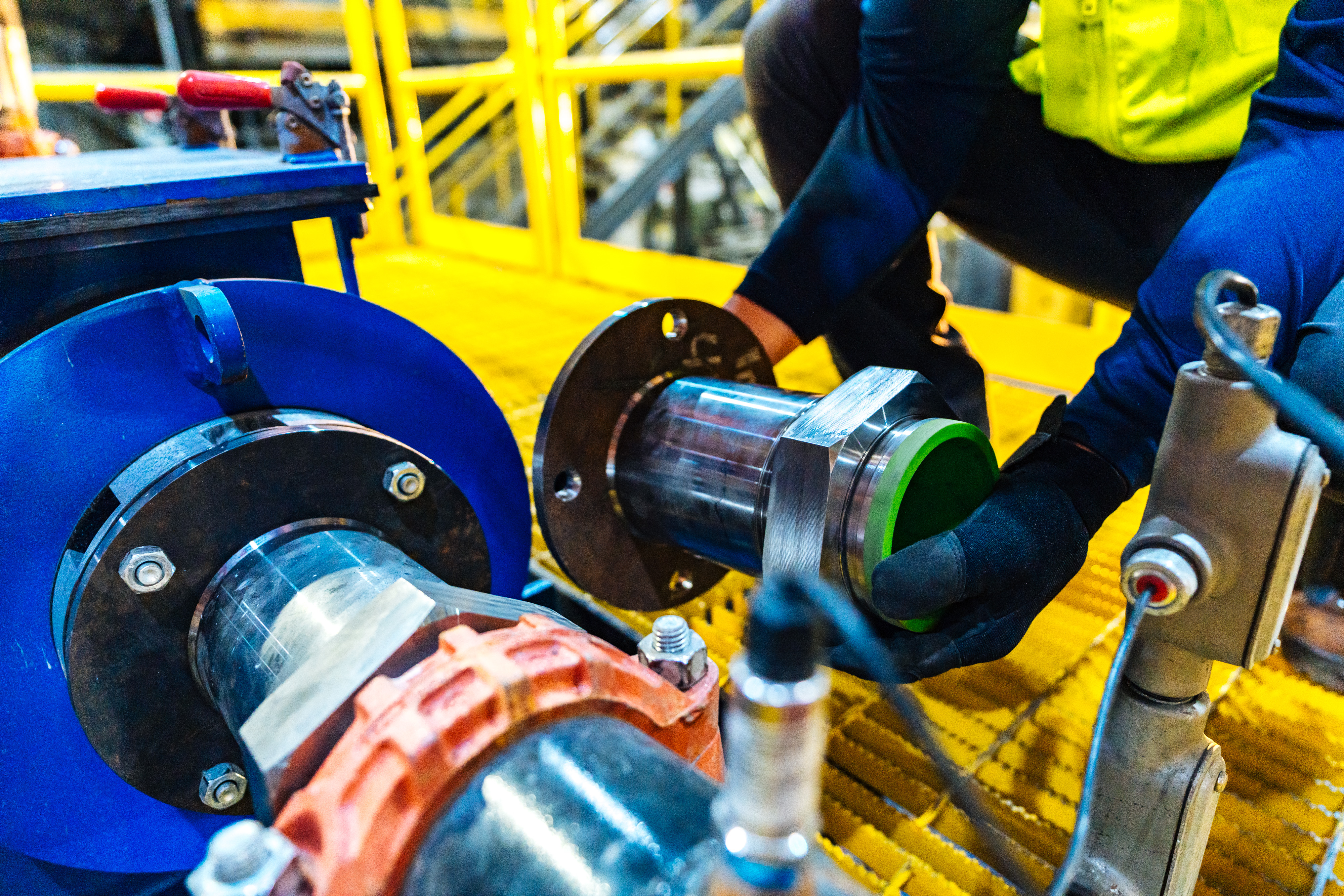
Modular & Site Deployable
Units are built to operate where the material sits — at legacy sites today, and designed for conventional operations as the platform expands.
Integrated Remediation & Recovery
Recovered uranium can be responsibly routed into the domestic fuel cycle, integrating cleanup with strategic supply resilience.
IMPACT
FIELD VALIDATED.
FEDERALLY LICENSED.
HPSA technology has been validated through a U.S. Environmental Protection Agency (EPA) treatability study and independently verified by Idaho National Laboratory (INL). DISA Uranium holds a U.S. Nuclear Regulatory Commission (NRC) Service Provider License (Source Materials License No. SUA-1605) for application at AUM sites — the only license of its kind.
Validated Performance
Demonstrated uranium and radium-226 (Ra-226) reduction in an EPA-sponsored study across multiple AUM sites. Separate testing on conventionally mined uranium ore has shown substantial mass reduction alongside high uranium recovery.
Independent Observation
Results independently verified by Idaho National Laboratory (INL) through laboratory analysis.
Licensed for Deployment
The first and only NRC Service Provider License authorizing remediation and recovery of AUM waste across multiple sites.
Built for the Scale of the Problem
Relevant to thousands of AUM sites across the American West — and to low-grade conventional deposits that traditional methods leave stranded.