AUM REMEDIATION
ABANDONED URANIUM MINE (AUM) REMEDIATION, REIMAGINED.
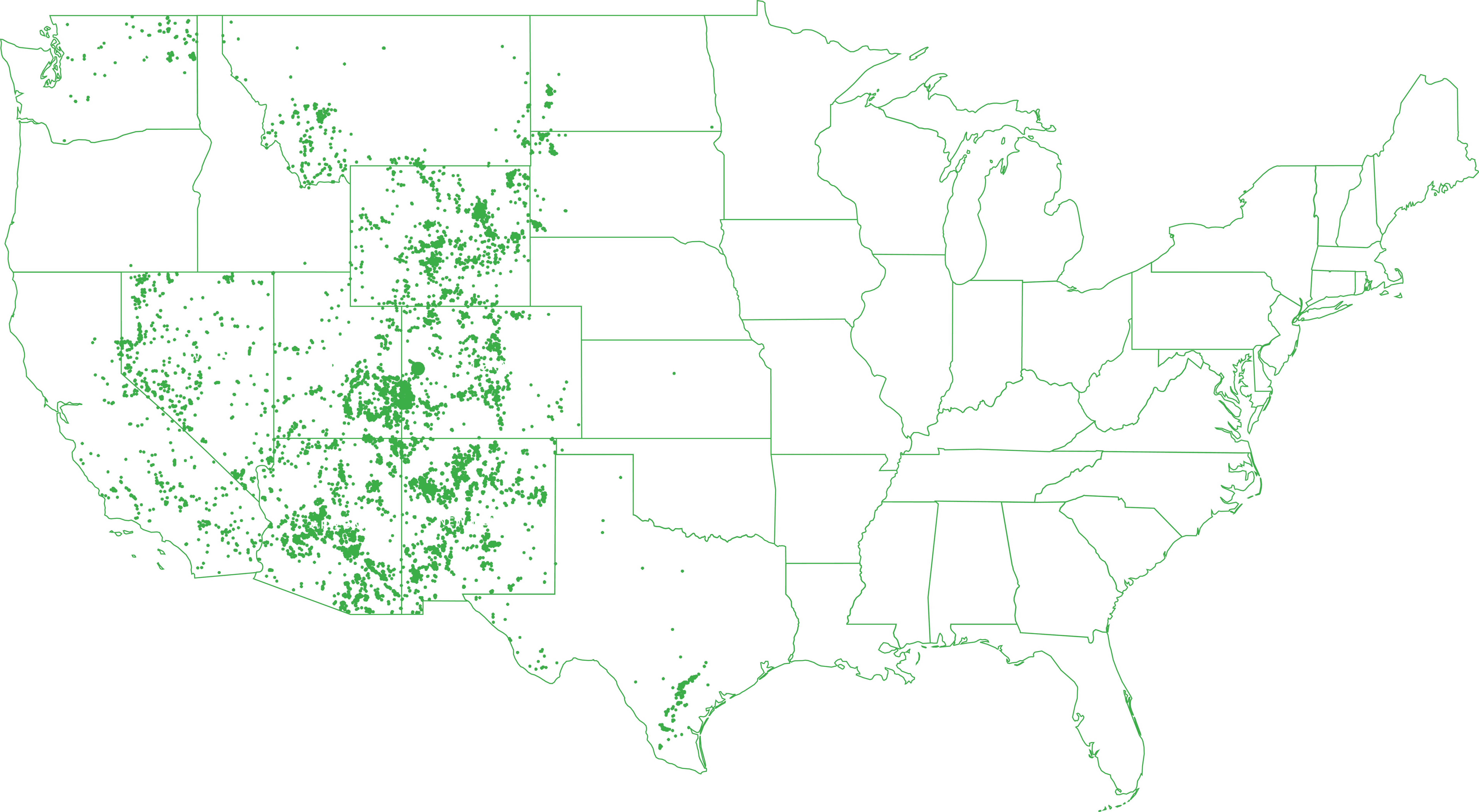
Thousands of Abandoned Uranium Mine (AUM) sites remain across the American West—many on federal and tribal lands—where uranium-bearing material still sits on the surface decades after production ended.
Conventional remediation typically means hauling material away or capping it in place. These approaches contain or relocate risk, but rarely reduce it.
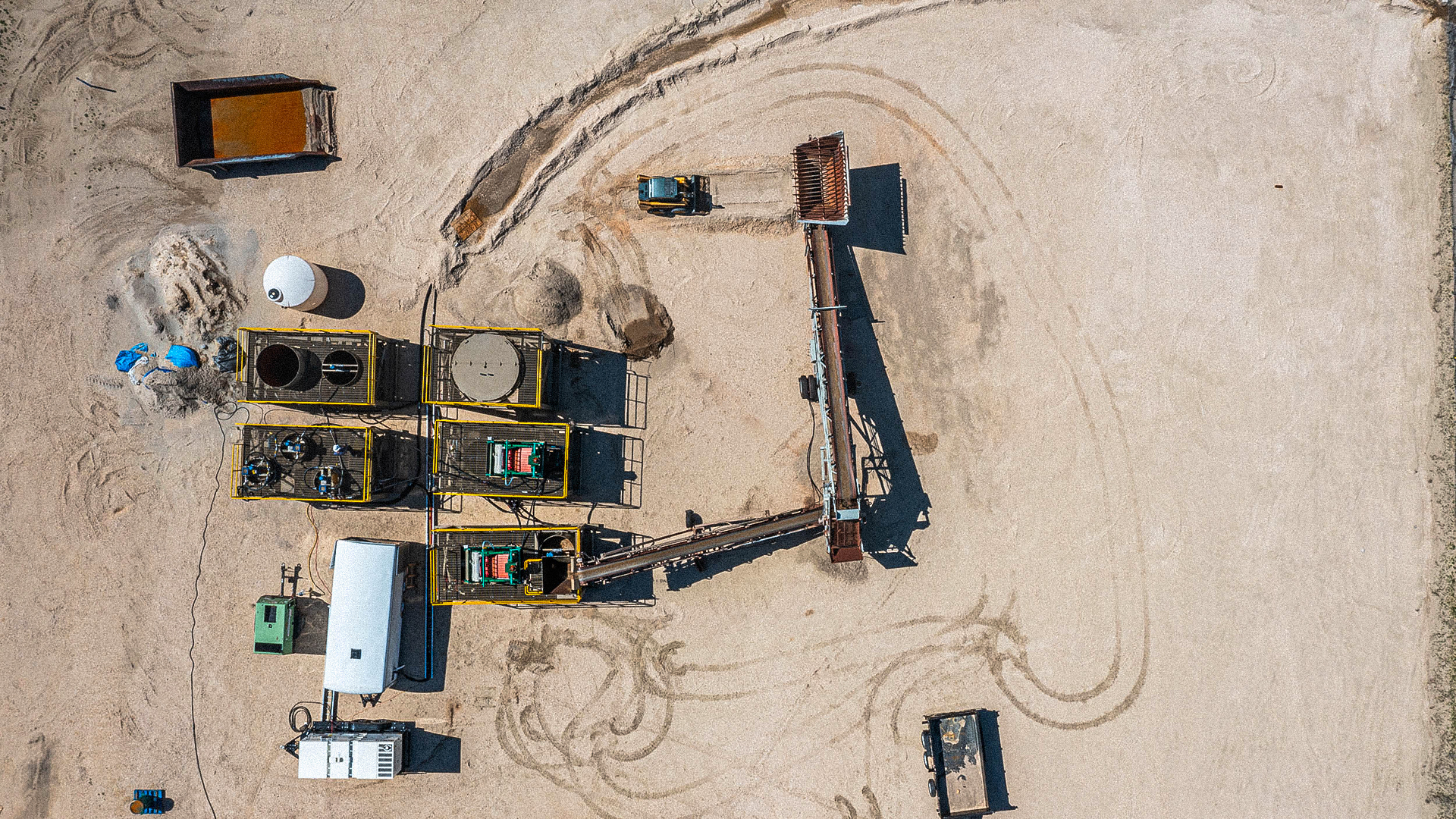
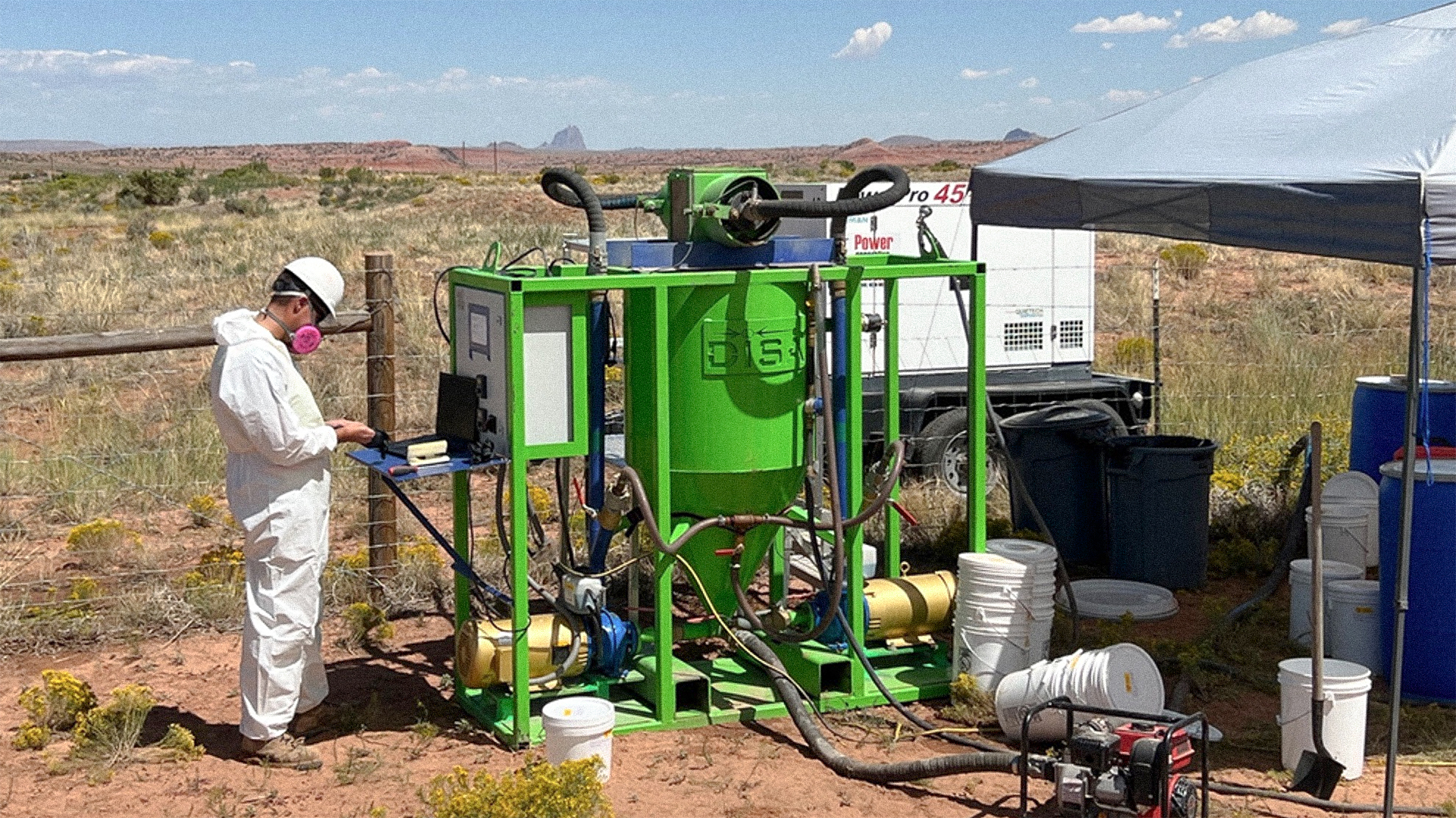
HPSA enables a different solution:
Mechanically reduce contamination and eliminate leachability
Stabilize legacy material in place
Recover usable uranium already mined and above ground
Avoid new ground disturbance
Modern remediation can both reduce long-term environmental risk and strengthen domestic uranium supply—transforming legacy liabilities into strategic assets.
HOW IT WORKS
ENGINEERED FOR INTEGRATED REMEDIATION & URANIUM RECOVERY
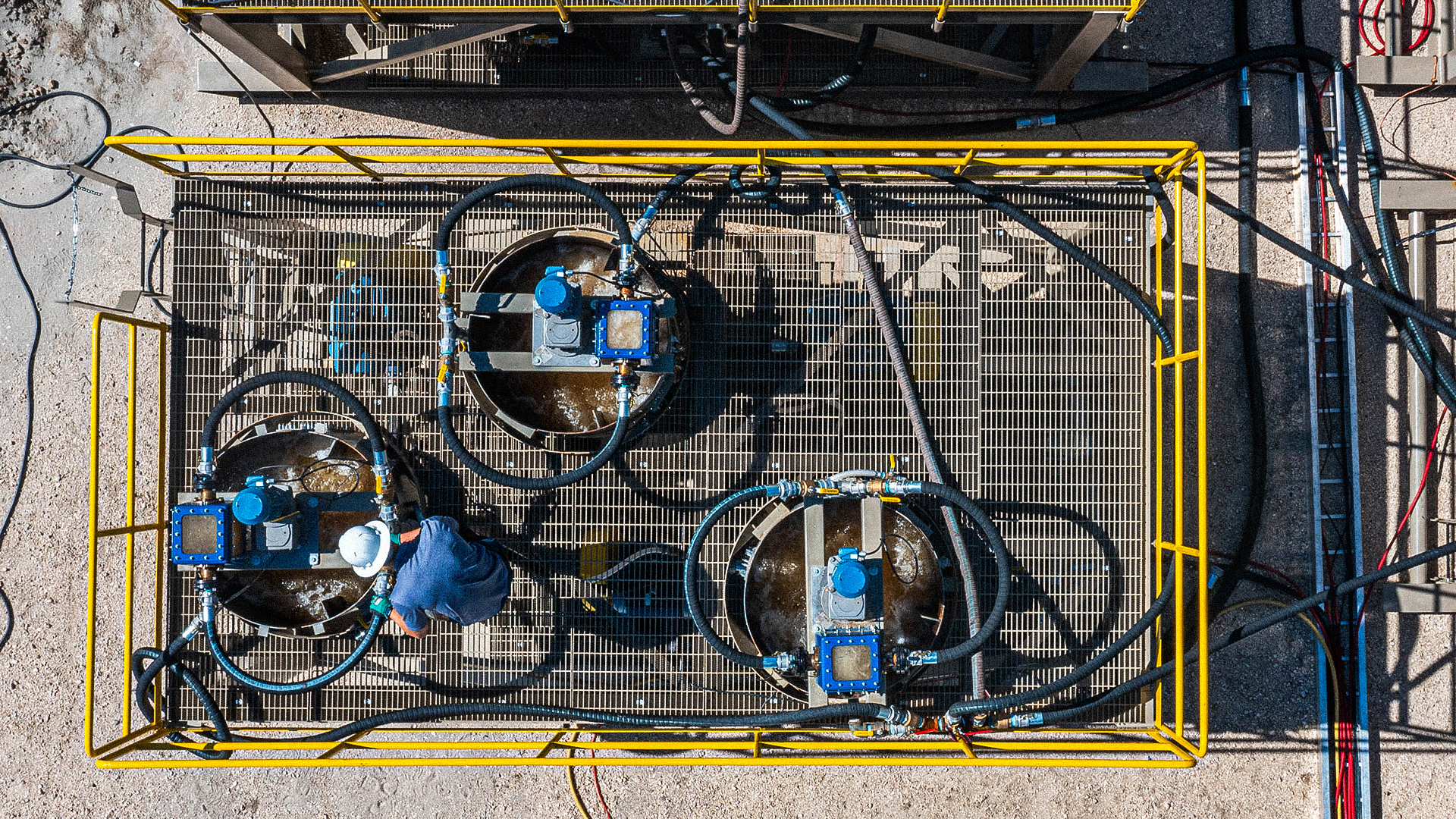
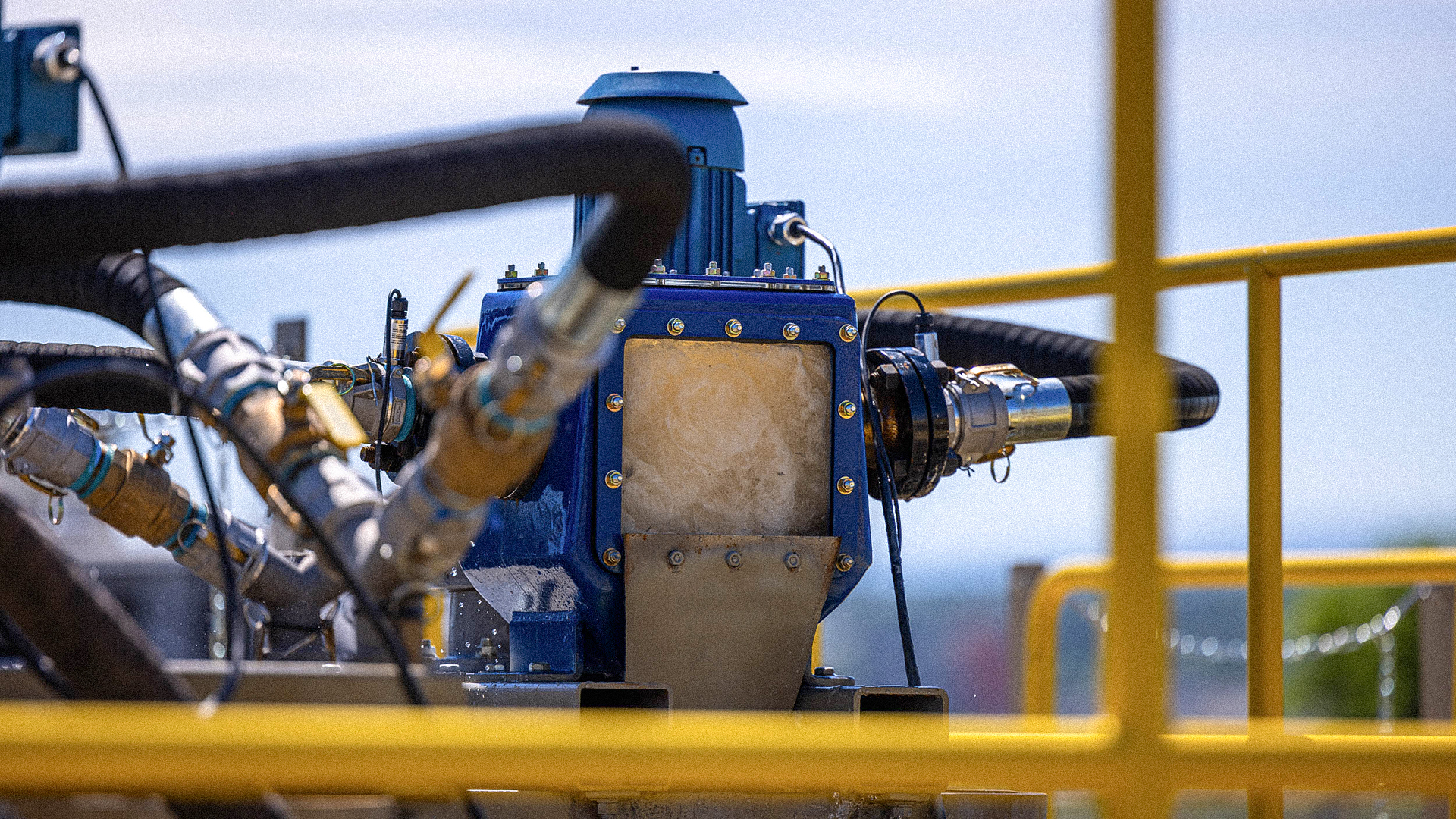
HPSA replaces large scale excavation, hauling or long-term containment with controlled, mechanical particle-to-particle collisions, separating uranium-bearing material while reducing overall waste volume.
From Legacy Waste to Remediated Site


100 % Mechanical Process
Operates without grinding media or chemical reagents, using controlled high-pressure slurry collisions to separate uranium and associated contaminants.

Selective Liberation at Coarser Sizes
Removes uranium-bearing coatings without fully size-reducing all material, preserving clean coarse fractions for onsite stabilization.

Hardness-Driven Breakage
Targets contaminant liberation based on Mohs hardness contrasts and natural grain boundaries.

Significant Waste Volume Reduction
Concentrates contaminated fines into a smaller fraction, reducing material requiring offsite transport or long-term containment.

Integrated Remediation and Recovery
Recovered uranium can be responsibly routed into the domestic fuel cycle, integrating environmental cleanup with strategic supply resilience.
IMPACT
FIELD VALIDATED. FEDERALLY LICENSED
HPSA has been validated through a U.S. EPA treatability study and independently verified through third-party laboratory analysis. The platform is licensed under an NRC Service Provider License (Source Materials License No. SUA-1605) for application at AUM sites

Federal Validation
Demonstrated uranium and Ra-226 reduction in a EPA-sponsored study across multiple AUM sites.

Independent Observation
Testing observed and audited by external technical reviewers, with laboratory verification of results.

Licensed for Deployment
Approved under the first NRC Service Provider License, enabling responsible remediation and uranium recovery at applicable sites.

Applicable at Scale
Relevant to thousands of AUM sites across the American West, including more than 4,200 Defense-Related Uranium Mine (DRUM) sites.